


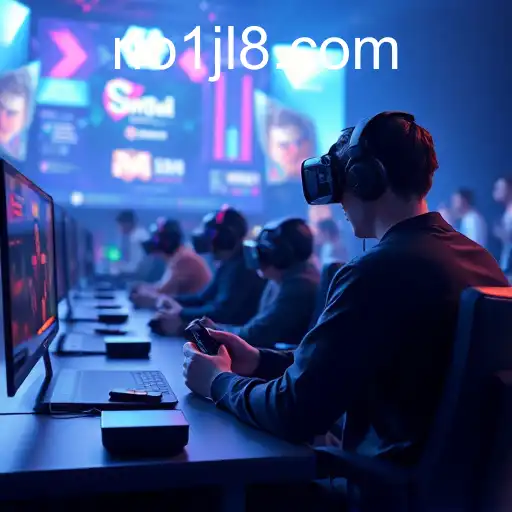
In recent years, online gaming communities have surged in popularity, with platforms like 'no1jl' at the forefront. As we navigate through 2026, the transformation in how games are played and communities are forged becomes increasingly apparent. Reflecting on the dynamic landscape of gaming, the integration of advanced technologies, such as augmented reality and blockchain, is reshaping the interaction between players and games.
Online gaming is not just about entertainment but has become a significant part of social life, fostering interactions and friendships across the globe. These platforms provide an inclusive space for players, transcending geographical boundaries and allowing a diverse array of individuals to engage in virtual environments. The community aspect has been emphasized more than ever, with forums and discussion boards brimming with activity, cementing platforms like 'no1jl' as pivotal in the gaming industry.
Moreover, the economic implications are substantial. With 2026 seeing a continued rise in the global gaming market value, developers are capitalizing on innovative monetization strategies, such as in-game purchases and exclusive content subscriptions. This economic boon is drawing significant attention from investors and tech companies looking to capitalize on the growing audiences tethered to these vibrant online ecosystems.
The evolution of gaming dynamics extends further with emerging trends of esports, where professional gaming has become a legitimate career path for many. Tournaments are now broadcasted to millions worldwide, with sponsorship deals and advertising revenues flowing in, highlighting a sector with tremendous growth potential.
In conclusion, as gaming platforms like 'no1jl' continue to expand their reach and influence, their role in shaping future digital interactions and communities is undeniable. The trajectory of online gaming signifies not just a change in gaming but a transformation in how society interacts, entertains, and connects in the digital age.